Border Runs: Your Guide to Tijuana's Underground Rave Scene
SD ravers have been crossing the border for decades — here's your insider guide to TJ's thriving underground scene, safety tips, and why the party hits different south of the border.
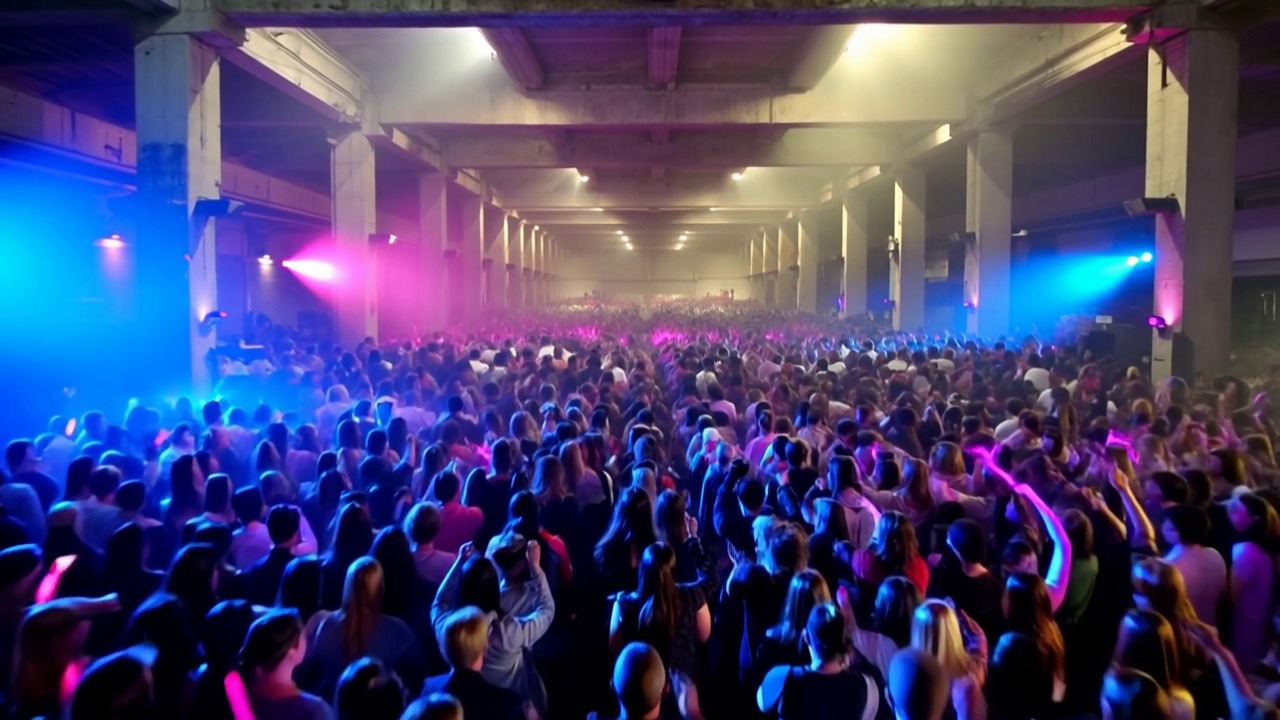
If you've been raving in San Diego long enough, you know the vibe: someone at the afters mentions a spot in TJ, phones come out, and suddenly half the crew is Ubering to the border at 3am. Cross-border rave culture isn't new — it's been part of the SoCal scene since the 90s — but right now, Tijuana's underground is absolutely thriving, and SD ravers are taking notice.
Why TJ? The Scene Comparison
Let's be real: San Diego's scene is fire, but it's also heavily regulated. Permits, noise ordinances, early shutdowns — you know the drill. Tijuana operates on a different frequency. Parties run later (we're talking sunrise and beyond), the sound systems hit harder, and there's an raw, unfiltered energy that's harder to find stateside. The underground scene in TJ pulls from a deep well of regional talent — think hard techno, tribal guarachero beats, and genre-bending experimental sets you won't catch at your typical RRU warehouse party. It's not better or worse than SD — it's just different, and that difference is exactly why the border run became a tradition.
The Nightlife Landscape
Tijuana's rave scene splits into a few main zones. Zona Centro and the areas around Avenida Revolución host some venues with sound systems that would make any bass head weep with joy. These spots range from gritty warehouse conversions to more polished club spaces, but the common thread is commitment to the music. Unlike some tourist-trap clubs, the spots locals and SD regulars hit are genuinely about the culture. You'll find packed dancefloors, serious sound, and crowds that came to move — not just drink and take selfies.
The DJ lineups often feature international talent passing through on South American tours, plus a stacked roster of regional selectors who've been holding down the scene for years. According to Resident Advisor, Tijuana has seen a surge in electronic music event listings over the past few years, reflecting genuine growth in the underground community.
The Cross-Border Logistics
Getting there: most SD ravers either drive to the border and walk across (park at a lot near San Ysidro), or rideshare to the pedestrian crossing. Walking across takes 20-40 minutes depending on the line. Once you're through, you can catch a taxi or rideshare on the TJ side — just use official taxi stands or verified apps. Some crews coordinate rides both ways to keep the group together.
Bring your passport or passport card. Real ID doesn't cut it for international crossings. Keep a screenshot of your return crossing info and make sure your phone is charged. Download offline maps if you're worried about data. The return crossing can be brutal on weekend mornings (we're talking 2+ hour waits), so factor that into your plans or consider getting a SENTRI pass if you're doing border runs regularly.
Safety First: No Kandi-Coated Truth
Let's address it directly: Tijuana has a reputation, and some of it is earned. But millions of people cross that border safely every year, and thousands of those are ravers. The key is staying smart. Stick with your crew — solo missions are not the move. Stay in well-traveled areas, especially between venues. Don't flash cash or expensive gear. Keep your phone secure. Drink from sealed bottles only, watch your cup, and apply the same harm reduction principles you'd use at any underground event.
The rave community in TJ is generally welcoming to respectful visitors, but you're a guest in someone else's scene. Don't be the loud American causing problems. Respect the space, the locals, and the culture. Many venues have security, but you're still responsible for your own safety and your friends' safety.
What Makes It Worth The Run
So why do SD ravers keep going back? Because when it hits, it really hits. There's something about dancing in a packed warehouse at 6am, surrounded by people from both sides of the border, all united by the music — no VIP sections, no bottle service, just raw rave energy. The sound is uncompromising, the crowds are there for the right reasons, and the scene feels like what underground dance music is supposed to feel like: borderless, inclusive, and a little bit rebellious.
The cross-border rave run isn't for everyone, and that's fine. But if you're looking to expand your scene experience and you're willing to be smart and respectful about it, Tijuana offers something you won't find anywhere else in the region. Just remember: what happens at the border run makes for great stories, but get home safe first.
Want to connect with other ravers planning TJ runs? Join the RRU crew and link up with people who know the scene.