LA's Warehouse Scene Is Back (And the City Isn't Happy About It)
Underground warehouse parties are surging across LA in 2026, bringing that raw rave energy back to the Arts District and beyond—but LAPD and fire marshals are stepping up enforcement.
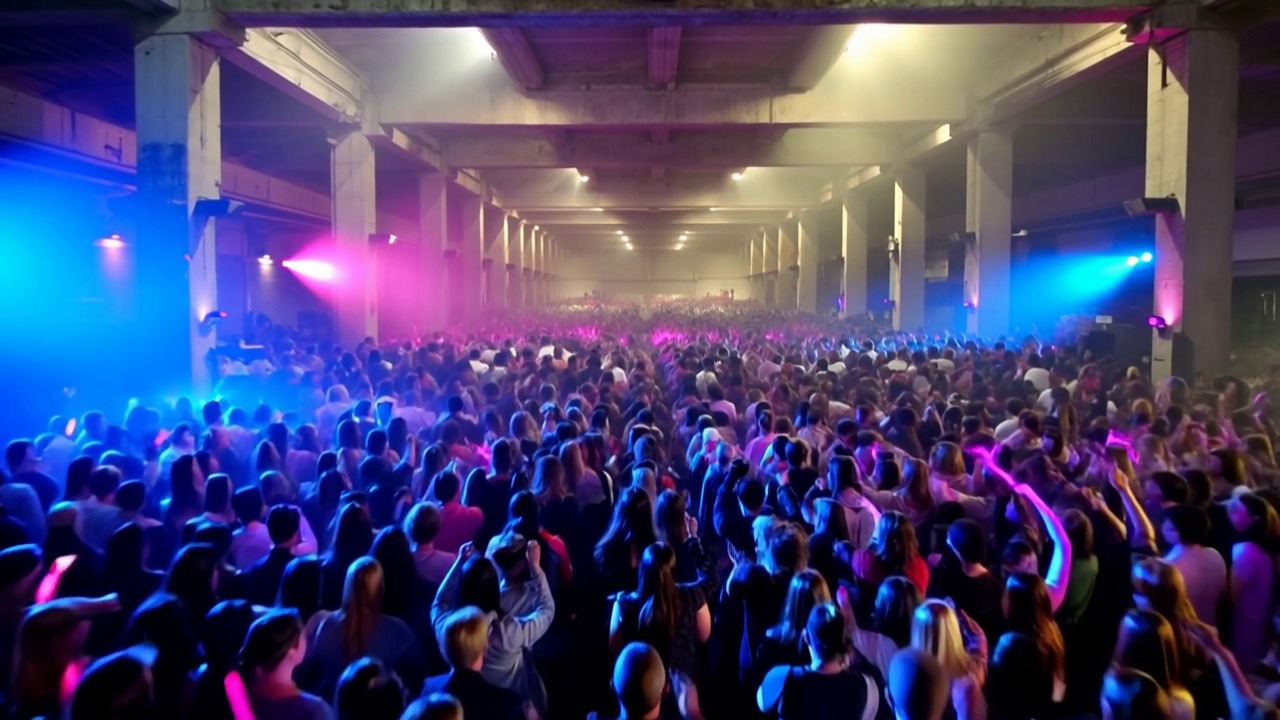
If you've been paying attention to the LA rave scene lately, you've probably noticed something: the warehouse is back. Not the polished "warehouse aesthetic" venue with permits and a liquor license—we're talking about actual pop-up raves in raw industrial spaces, secret locations dropped two hours before doors, cash-only entry, and that beautifully chaotic energy that made the 90s legendary.
It's May 2026, and LA's underground is having a full-circle moment. But while ravers are celebrating the return of that unfiltered party culture, the city is not here for it.
Why Warehouses Are Popping Off Again
Let's be real: venue costs in LA have gotten absolutely ridiculous. Promoters are looking at $10K+ minimums for legit spaces, plus security, insurance, and a laundry list of regulations that make throwing a proper underground vibe nearly impossible. Meanwhile, rent on commercial warehouse space in areas like Vernon, the Arts District, and Boyle Heights hasn't kept pace with entertainment venue pricing—so enterprising crews are going rogue.
Add in the fact that Gen Z ravers are craving authenticity over Instagram-ready club experiences, and you've got the perfect storm. These parties aren't about bottle service and VIP tables. They're about local DJs pushing experimental sounds, art installations made from recycled materials, and a crowd that actually knows how to dance. The real rave culture that older heads have been gatekeeping? It's genuinely back, and it's being carried by a new generation that never experienced it the first time around.
The City's Crackdown Is Heating Up
Here's where it gets messy. Over the past two months, LAPD and the fire marshal have shut down at least six major warehouse events mid-party, citing safety violations, lack of permits, and occupancy issues. Videos of cops rolling up to packed warehouses at 2am have gone viral on TikTok, with ravers streaming shutdowns in real-time while chanting "one more song."
City officials aren't wrong about the safety concerns—unpermitted spaces can lack proper exits, fire suppression, and medical support. But the rave community argues that over-regulation and venue scarcity created this situation in the first place. When legal options are either prohibitively expensive or sanitized beyond recognition, the underground goes actually underground.
A recent LA Weekly piece interviewed an anonymous promoter who put it bluntly: "We're not trying to be outlaws. We just want spaces where people can experience music and community without corporate sponsors and $20 drinks. The city makes that impossible, then acts shocked when we find our own way."
The Culture Clash Nobody's Talking About
What's really interesting is the generational and cultural divide this whole situation exposes. Older ravers who survived the 90s crackdowns have mixed feelings—some are hyped to see the scene's rebellious spirit return, while others worry that reckless parties could get someone hurt and set the movement back decades.
Meanwhile, younger organizers are navigating this with a different toolkit. They're using encrypted chats, decentralized promotion, and harm reduction resources that weren't available in the Prodigy era. Many warehouse crews now work with volunteer medics, offer free water and test kits, and implement consent culture policies that make these spaces safer than many licensed clubs.
Where This Goes Next
The truth is, LA's warehouse renaissance isn't going anywhere. The demand is too strong, the costs of legal venues too high, and the cultural hunger for authentic experiences too real. The question is whether the city will continue treating this as a whack-a-mole enforcement problem or actually create pathways for affordable, legitimate underground spaces.
Some cities—Berlin, for example—have figured out how to balance safety regulations with cultural preservation. LA could do the same, but it would require officials to see rave culture as something worth protecting rather than just a public nuisance.
Until then? Keep your phone charged, your crew close, and your eyes on those group chats. The warehouse might be back, but it's as ephemeral as ever. That's part of the magic—and part of the problem. If you want to be part of the conversation about building sustainable underground culture in Southern California, join the RRU community and let's figure this out together.
Because one thing's for sure: LA ravers aren't going back to boring anytime soon.