LA's Underground Venues Are Disappearing — Here's What It Means
Downtown LA lost three DIY spaces this month alone. As gentrification accelerates and enforcement tightens, the city's underground dance scene faces its biggest challenge yet.
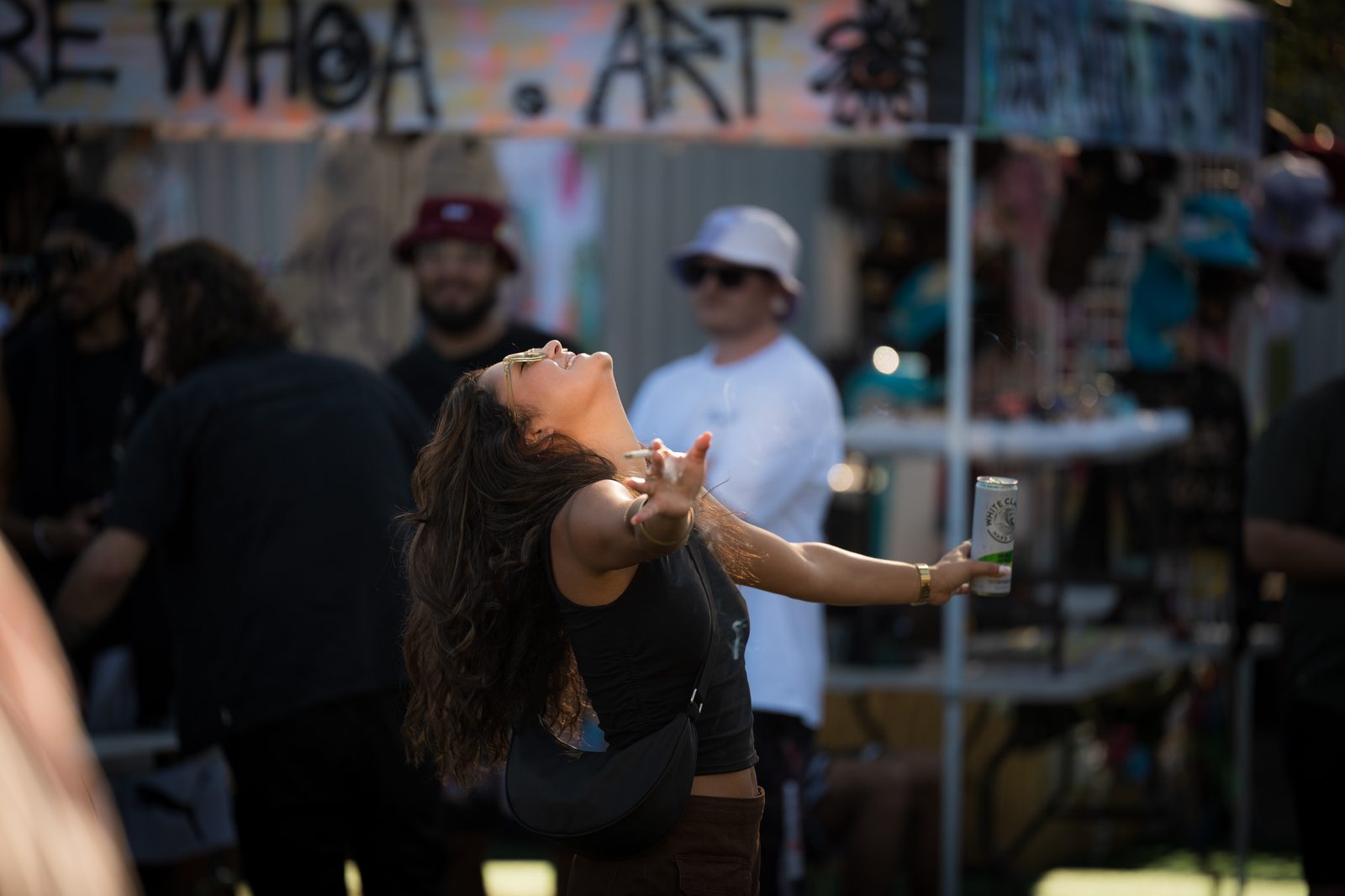
If you've been trying to catch a proper underground set in Downtown LA lately, you've probably noticed something: the spots are vanishing. Three DIY warehouse spaces shut down in April alone — two to sudden lease terminations, one to city code enforcement. And if you think that's just bad luck, you haven't been paying attention to what's been brewing in LA's dance music scene for the past year.
The Crackdown Is Real
LA's always had a complicated relationship with its underground. For decades, the city's best parties happened in spaces that existed in legal gray zones — warehouses in the Arts District, lofts in Boyle Heights, converted industrial buildings where the bass could shake concrete without neighbors complaining. But 2026 has brought a new wave of enforcement that's hitting different. We're not just talking about noise complaints anymore. We're talking coordinated inspections, aggressive permit requirements, and landlords who'd rather rent to tech startups than deal with weekend party liability.
The reality? Downtown LA real estate has gotten too valuable for the chaos. What used to be overlooked is now actively targeted. And the spaces that made LA's scene special — the raw, unpolished rooms where you could catch experimental techno at 3am or discover the next big house act in a crowd of 200 — are becoming memories.
Where Does the Scene Go?
Here's the thing ravers need to understand: this isn't just about losing venues. It's about losing the entire ecosystem that makes underground culture work. When DIY spaces disappear, so do opportunities for emerging artists to build their sound, for promoters to take risks on experimental lineups, for the scene to stay weird and unpredictable. You can't replicate that energy in a corporate club with bottle service minimums and a strict 2am cutoff.
Some crews are adapting by pushing further out — deeper into Vernon, into Sun Valley, even across the border where Tijuana's scene is thriving with less regulatory pressure. Others are going full nomadic, dropping locations an hour before doors. But that fragmentation comes with costs. Accessibility drops. Safety gets harder to guarantee. The community splinters.
The Legal Reality Nobody Talks About
Let's be clear about what's happening legally. According to LA Weekly's recent coverage, the city isn't necessarily trying to kill the scene — they're responding to liability concerns, fire code violations, and neighborhood pressure. When an unlicensed venue is packing 400 people into a space designed for 150, with one exit and no sprinkler system, yeah, that's a problem. The issue is that getting proper permits for electronic music events in LA is somewhere between difficult and impossible for independent promoters working on underground budgets.
Some cities have figured this out. Berlin famously works with its club scene. Even Miami has developed frameworks for pop-up events. LA? We're still operating like it's a war between authorities and promoters, with no middle ground in sight.
What Ravers Can Actually Do
If you care about keeping LA's underground alive, showing up matters more than ever. Support the venues and promoters still fighting to create legal-ish spaces. Show up early, respect the spot, don't blow it up on main social media before the party even starts. When you find a good event, bring friends who actually understand the culture — not tourists looking for Instagram content.
And maybe most importantly: get involved beyond just attending. The scene needs people willing to navigate permitting, to advocate for policy change, to invest in building sustainable infrastructure. The next generation of LA's dance music culture won't look like the last one — it can't. But whether it survives at all depends on ravers being more than just consumers of the experience.
The Scene Isn't Dead Yet
Look, this isn't meant to be doom and gloom. LA's underground has survived worse — the '90s rave crackdowns, the EDM explosion that almost turned everything into mainstage nonsense, even a whole pandemic. The scene adapts because it has to. But adaptation requires awareness. Right now, we're at an inflection point where the choices we make — as a community, as individuals who care about this culture — will determine what LA's dance music landscape looks like in five years.
The warehouses might be disappearing, but the energy isn't going anywhere. It's just finding new containers. Stay connected, stay informed, and maybe join our community so you know where that energy lands next. Because one thing's for sure: as long as people need spaces to lose themselves in music, someone's going to create them. The question is just how hard we're willing to fight to keep them alive.