5 Questions With an LA Underground DJ Who Won't Sell Out
We sat down with the kind of DJ keeping LA's underground alive — no residency deals, no algorithm, just raw cuts and packed basements.
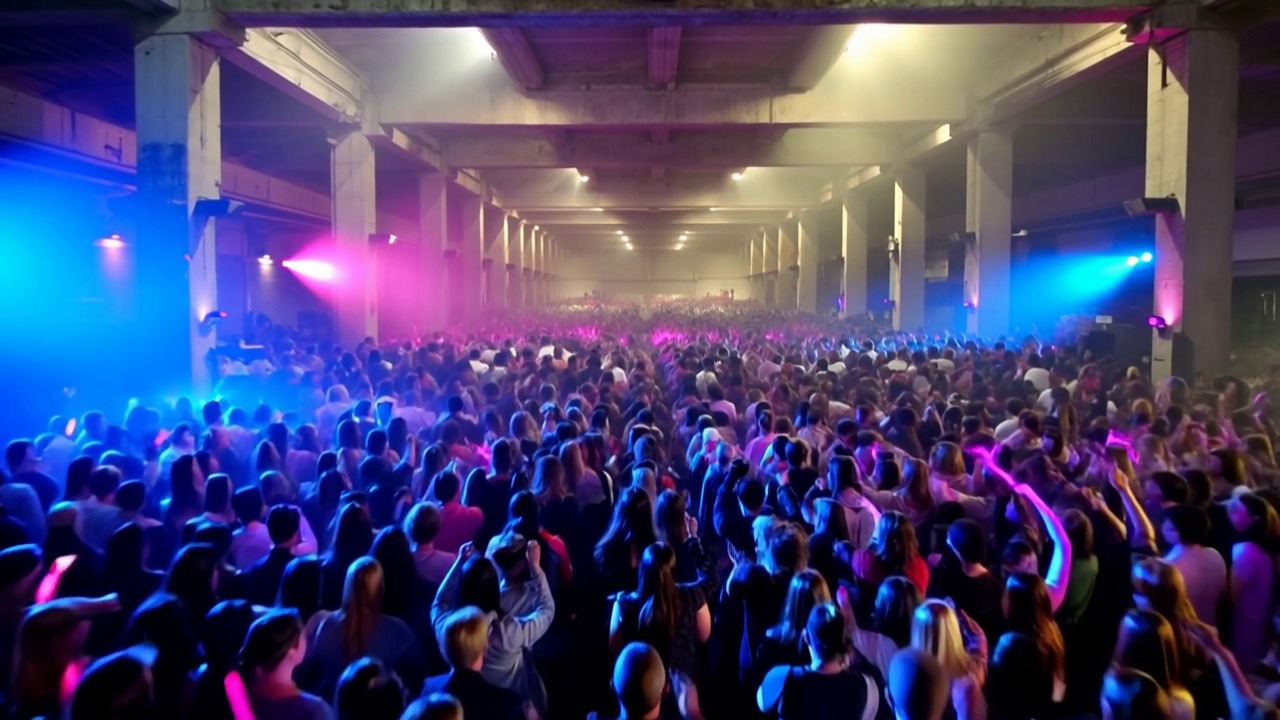
Every city has them — the selectors who could easily book a rooftop bar residency, cash the check, and play the same seventy-minute set every Friday forever. Instead, they're loading up a beaten USB at 1 AM for a 300-person warehouse in Lincoln Heights, sweating through a hoodie because the AC broke two hours before doors. Los Angeles has more of these people than it gets credit for, and honestly? They're why the underground here still means something. We caught up with one such archetype — call him Marco, call him every DJ you've ever respected in this city — for a no-filter Q&A.
So how long have you been playing in LA, and how'd you get started?
"Honestly, longer than I want to admit. I was sixteen, sneaking into parties in the Valley that I definitely shouldn't have been at. Heard a DJ play a record I couldn't name, and I literally went home and couldn't sleep until I figured out what it was. Took me two weeks. That obsession never went away. I started DJing house parties by eighteen, proper events by twenty-one. LA wasn't easy — it's a city that'll let you grind forever and never promise you anything. But it also has pockets that are genuinely free. You find those pockets and you protect them."
What's the current LA underground scene actually feeling like right now?
"Better than the press gives it credit for, worse than the Instagram would have you believe. There was a stretch post-2020 where everything felt desperate — promoters trying to make back money, booking whatever would sell tickets fast. That hangover is finally fading. Right now I'm seeing younger crews who are genuinely curious, who are digging for records the same way my generation did. The warehouse crowd is real again. People aren't just there to film content — they're there to be there. That shift matters more than any booking."
If you want to see what that energy translates to on a lineup, check our upcoming LA events — we've been quietly building something out here and the next few months are going to hit hard.
What separates a great underground set from a mediocre one?
"Risk. Full stop. The mediocre sets are safe — they read the room once, find the temperature, and stay there. A great set takes the room somewhere it didn't know it wanted to go. That requires trust, and trust requires time. You can't build it if you're only playing forty-five-minute festival slots. The underground gives you four hours if you earn it. Four hours is enough time to take someone on a real journey — from opening groove all the way to the moment the lights come up and nobody wants to leave." This is exactly the kind of philosophy that separates the artists we book at Ravers R Us — meet the people on our roster who actually live this mentality.
You've had offers from bigger clubs and brands. Why stay underground?
"I'm not ideologically opposed to money, let's be clear," he laughs. "But there's always a cost attached. The bigger the room, the more you're DJing at people instead of with them. I've done those gigs. You're staring at the back of a thousand heads scrolling their phones. The underground keeps me honest — when it's 300 people who actually showed up for music, every record choice matters. That accountability is addictive. It makes you better. The Resident Advisor guys write a lot about this tension, and I think the artists who figure out how to scale without losing the plot are the ones who actually last."
What would you tell someone from out of town — say, San Diego — about breaking into the LA scene?
"Come humble. Seriously. LA has a reputation for ego, but the underground specifically will sniff out anyone who walks in thinking they already made it. Show up to parties as an attendee first. Buy a drink, talk to the person next to you, don't hand out your SoundCloud card at the door. The scene rewards patience and genuine enthusiasm way more than it rewards hustle. Also — and I mean this — the San Diego heads who've been coming up lately have been on it. Don't underestimate your home scene. Sometimes the best thing you can do for your LA career is make SD proud first." Not wrong. We've been building that exact bridge — read more on our blog about how RRU is connecting the underground corridors from Tijuana to the 213.
The Takeaway
There's no shortage of DJs in Los Angeles. But the ones keeping the underground genuinely underground — the Marcos of the city — are rarer than any headliner. They don't need a cosign, don't need an algorithm. They need a dark room, a proper soundsystem, and a crowd that showed up to actually feel something. Sound like your people? Get on the RRU list and we'll make sure you're in the room when it matters.