LA's Underground Scene Is Reclaiming Its Warehouse Roots
Festival fatigue is real — and Los Angeles ravers are voting with their feet, ditching big stages for raw, sweaty warehouse parties that hit different.
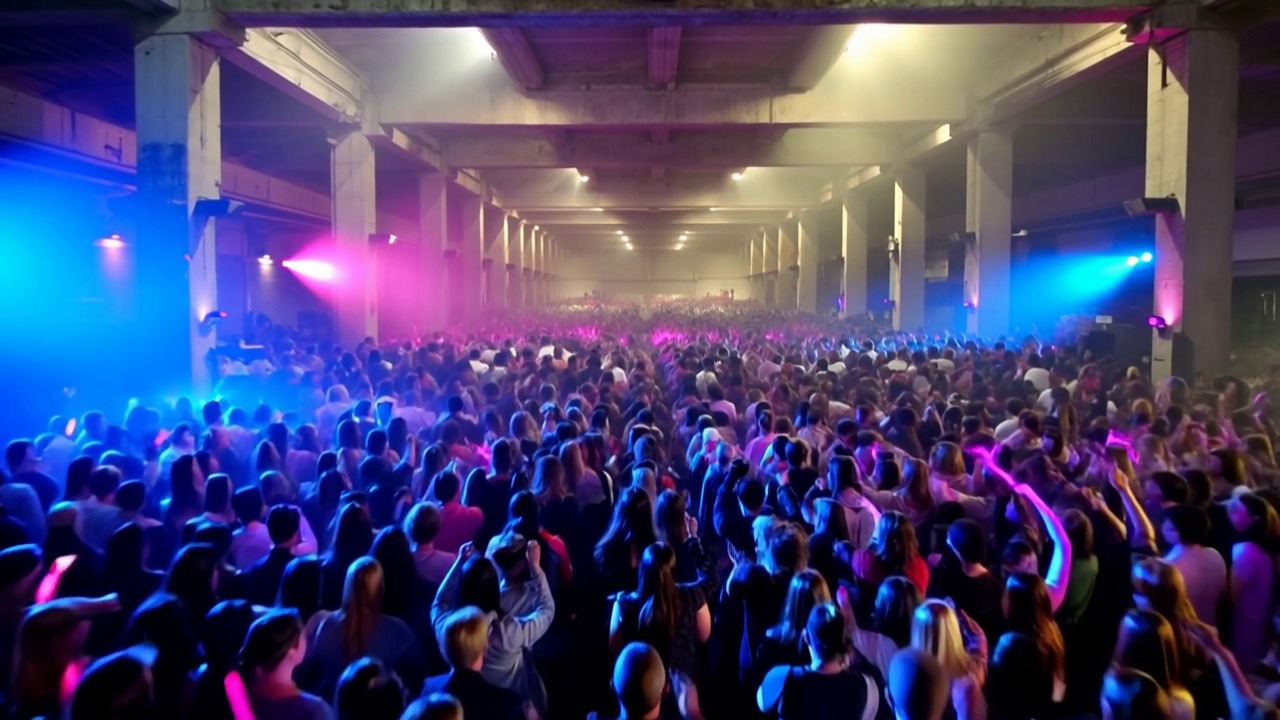
Something is shifting in Los Angeles, and if you've been paying attention, you already felt it in your chest — that low-frequency pull back toward something rawer, realer, and a whole lot less sponsored. After years of mega-festival dominance, the underground warehouse scene in LA is having a legitimate moment. Not a nostalgia trip. A full-on renaissance. And we are here for every second of it.
Festival Fatigue Is Finally Hitting Different
Let's be honest: somewhere between the $22 seltzers, the influencer activations, and the 45-minute set cuts, a lot of us started asking whether the big festival experience was actually delivering. For a generation of new ravers and a wave of burned-out veterans, the answer has increasingly been no. A recent report from Resident Advisor tracked a measurable uptick in grassroots event attendance across major US cities throughout 2025 — and LA is leading that charge heading into summer 2026. People want longer sets, darker rooms, and a crowd that's there for the music.
The Warehouse Is Back — And It's Smarter This Time
The warehouse revival in Los Angeles isn't just about aesthetics or vibes (though the vibes are immaculate). Organizers are running tighter ships than the DIY scene of a decade ago — better sound systems, actual safety infrastructure, harm reduction tables, and real communication with local fire marshals and city liaisons. It's underground with a lowercase U, meaning it operates outside the velvet-rope festival economy, but it's not reckless. The best crews running events in the Arts District, Boyle Heights, and the industrial corridors of the South Bay know that longevity depends on respect — for attendees, neighbors, and the space itself.
The Sounds Driving the Movement
So what's actually playing in these rooms? If you're imagining a single genre monoculture, think again. LA's current underground moment is delightfully messy in the best way. Hard techno isn't going anywhere — it's burrowed into the concrete and refuses to leave. But it's sharing floor space with a resurgent interest in deep, hypnotic house, proper acid, and a new wave of experimental club music that blurs the line between a rave and a sound art installation. There's also a noticeable Latin influence bubbling through — perreo-infused club edits and reggaeton-adjacent rhythms that reflect the city's actual demographics rather than performing them. It's the most sonically diverse the scene has felt in years. Check out the artists on our radar who are embodying exactly this energy.
The Policy Landscape: Still a Battle
None of this is happening in a vacuum. LA's relationship with nightlife infrastructure is, to put it diplomatically, complicated. The city has historically struggled to create sustainable pathways for small and mid-sized music venues — a problem documented extensively by advocacy groups like the National Independent Venue Association. Permitting bottlenecks, noise ordinances that haven't been updated since the nineties, and zoning conflicts in gentrifying neighborhoods all create real pressure on the spaces that make underground culture possible. The community is organizing — attending city council meetings, building relationships with sympathetic district offices, and making the economic and cultural case for nightlife as infrastructure. It's slow, unglamorous work, but it matters.
What This Means for the Culture
Here's the thing about underground scenes: they do their best work when they're slightly uncomfortable. Not dangerous — uncomfortable. When you can't coast on a lineup poster or a brand partnership, the music has to earn the room. The crowd has to show up present. The organizers have to actually care. That's the pressure that produces the mythologized nights people talk about for years. LA's current moment has that quality. It's not perfect — there's still gatekeeping, there's still economics that price out working-class ravers, and there are real conversations the scene needs to have about accessibility and inclusion. But the energy is there, and it's pointing somewhere worth following. Read more of our scene coverage to stay in the loop as this unfolds.
RRU Is Plugging In
As we expand from San Diego into LA, we're not coming to colonize the scene — we're coming to participate in it. We've been doing this long enough to know that the best thing an events brand can do is listen before it talks. LA has its own history, its own key players, and its own rules of engagement, and we respect that. What we're bringing is the same ethos we've always operated on: good music, good people, and parties worth the drive. If that sounds like your frequency, get on our list and be the first to know when we announce our LA debut. The warehouse is calling. Don't make it wait.