LA's All-Ages Rave Ban Debate Heats Up: What It Means for the Scene
City Council's proposed restrictions on under-21 events could reshape LA's legendary underground culture — here's why ravers are pushing back hard.
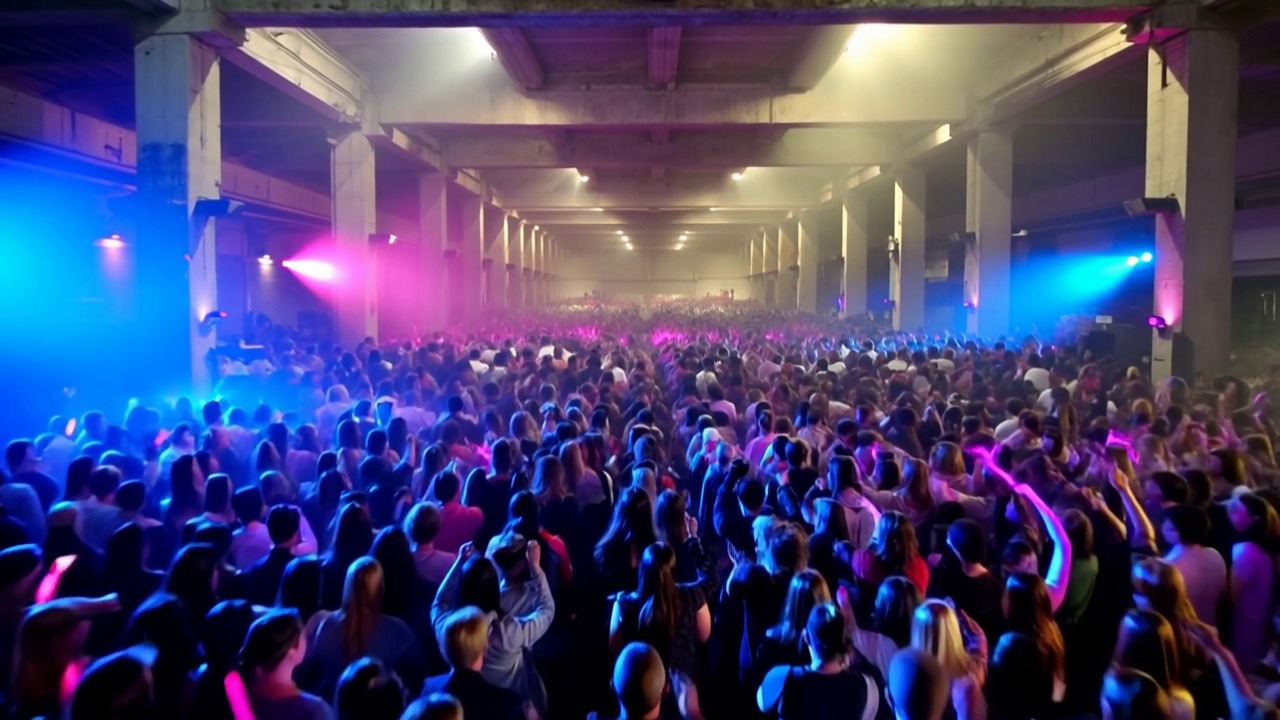
LA's dance music scene is facing a crossroads moment that could redefine how the next generation discovers rave culture. After a string of noise complaints and one high-profile safety incident at a downtown warehouse party in April, the LA City Council is seriously considering new restrictions on all-ages electronic music events — and the community is not staying quiet.
What's Actually On The Table
The proposed ordinance would require venues hosting under-21 attendees at electronic music events to meet stricter security requirements, including mandatory medical staff on-site, enhanced ID verification systems, and earlier curfews (11 PM cutoff instead of 2 AM). Sounds reasonable on paper, right? The problem is the cost. Smaller promoters and DIY spaces say these requirements would price them out of throwing all-ages shows entirely, effectively creating a 21+ scene by economic default.
This isn't just bureaucratic red tape — it's a fundamental question about who gets access to dance music culture and when. For decades, LA's underground has been a place where 18-year-olds could discover their tribe, where high schoolers saved up to experience their first warehouse rave, where the next generation of DJs and producers caught the bug. If all-ages events become economically unfeasible, that pipeline gets severed.
Why The Community Is Rallying
The response has been swift and organized. A coalition of promoters, venue owners, and advocates launched the "Keep The Rave Alive LA" campaign last week, collecting over 8,000 signatures in just five days. Their argument: punish bad actors, don't penalize an entire culture. They're pointing to cities like Montreal and Berlin that have successfully integrated youth-accessible dance music scenes with smart safety protocols.
"I went to my first rave at 17 in a sketchy warehouse in Arts District," says Maria Chen, now a working DJ and one of the campaign organizers. "It was transformative. It was where I found my community, discovered electronic music production, met my creative family. If this ordinance passes, thousands of kids won't get that chance. They'll just party in actually dangerous, totally unregulated spaces instead."
She's not wrong. History shows prohibition doesn't stop youth culture — it just pushes it further underground where there's zero oversight, zero accountability, and zero recourse when things go wrong.
The Real Solution Nobody's Talking About
Here's the thing the City Council seems to be missing: the safest all-ages raves are the ones that are legal, visible, and properly supported. Instead of making it impossible to throw these events legitimately, why not create a tiered permitting system that rewards venues with good safety records? Why not fund harm reduction resources instead of just adding security theater requirements?
Other cities have figured this out. New York's approach to all-ages electronic music events includes partnerships with community health organizations, training for staff on substance awareness, and chill-out spaces with water and medical support — without making it financially impossible for smaller promoters to participate.
What Happens Next
The City Council is scheduled to vote on the ordinance June 4th. If you're part of LA's dance music community — whether you're 18 or 38 — this is the moment to make your voice heard. Join the movement, show up to the public comment period, and remind the decision-makers that rave culture isn't a problem to be solved — it's a vibrant, essential part of what makes LA's music scene legendary.
Because here's what's really at stake: not just parties, but pipeline. The 17-year-old at their first warehouse rave this year could be the headlining producer at RRU events in five years. The 19-year-old learning to mix in their bedroom could become the next scene innovator. Cut off access for young people, and you're not just closing venues — you're closing futures.
LA built its reputation as a city where underground culture thrives. Let's make sure the next generation gets to experience that, too — safely, legally, and loud as hell.