5 Questions with DJ Nebula: San Diego's Techno Underground Prophet
We caught up with one of SD's most elusive selectors about warehouse vibes, the city's techno resurgence, and why 3am is when the magic happens.
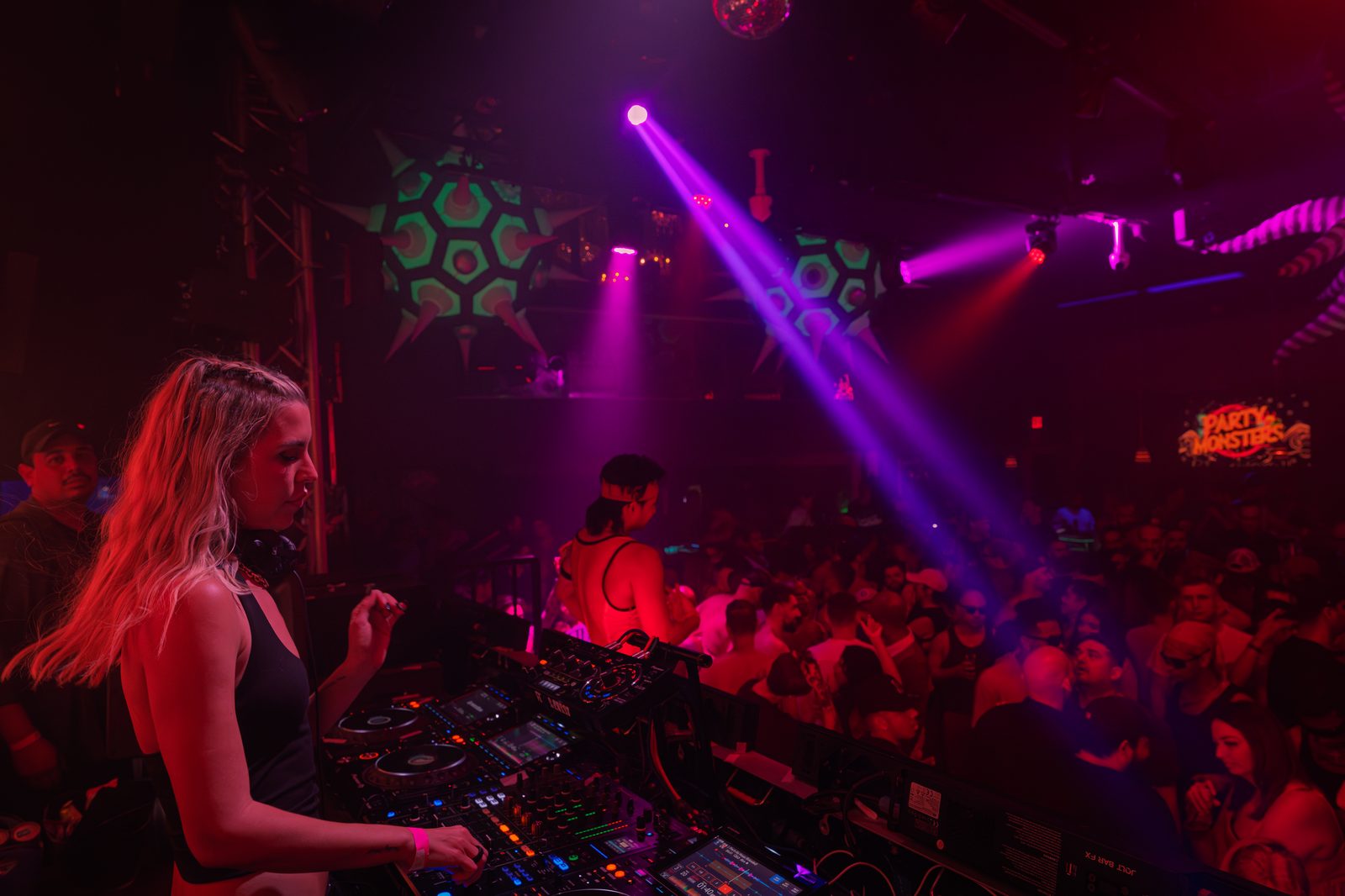
If you've been to any proper warehouse party in San Diego over the past two years, you've probably heard DJ Nebula's signature sound—pounding, hypnotic techno that doesn't let up until the sun comes up. Known for surprise B2Bs and sets that stretch past 4am, Nebula represents a new wave of selectors keeping San Diego's underground scene alive when the clubs close early and the noise complaints roll in.
We sat down with them after a recent downtown loft session to talk about the state of techno in America's Finest City, what makes a warehouse party truly transcendent, and why San Diego ravers are built different.
RRU: You've been pushing techno in San Diego for a minute now. What's changed in the scene since you started?
DJ Nebula: Honestly? People are finally getting it. Like, five years ago you'd play proper techno at a club and half the crowd would be waiting for the drop that never comes. Now we've got dedicated heads who understand the journey. The warehouse culture is back—not just as a nostalgia thing, but because people want that raw, unfiltered experience. No bottle service. No VIP tables. Just sound system, strobes, and the people who came to dance.
What makes a San Diego warehouse party different from, say, LA or Vegas?
Nebula: San Diego's got this DIY energy that's harder to find in bigger markets. We're not trying to be LA. We're not trying to be the Strip. It's more intimate, more community-driven. You see the same 200-300 people rotating through these spaces, and everyone knows the vibe. Plus our weather? You can do outdoor-indoor hybrid setups almost year-round. I've played rooftops in February. Try that in most cities.
Your sets are known for going deep—like, really deep. How do you build that journey over 4+ hours?
Nebula: You gotta read the room, but also trust that if you brought people to a warehouse at midnight, they're ready to go somewhere. I usually start around 126-128 BPM, pretty driving but not punishing. By 2am we're in full hypnotic mode—darker, more industrial. Then around 3 or 4am, when most people have either left or fully surrendered, that's when I get weird. Bring in the acid lines, the breakbeats, the stuff that only makes sense when you're four hours deep and your brain's rewired. That last hour is always for the real ones.
You've played alongside some heavy hitters when they roll through. Any dream B2B that hasn't happened yet?
Nebula: Oh man, I'd love to go B2B with someone like Amelie Lens or I Hate Models—people who understand that techno is supposed to be physical. It should make your chest rattle. As for local dream collabs, there's a handful of selectors in SD right now doing incredible things. We're actually stronger as a collective than most people realize. I think you'll see more San Diego names breaking out nationally in the next year or two. We've been building in the dark long enough.
Last one: what's your advice for someone trying to throw their first underground party in San Diego?
Nebula: Do your homework. Know your space, know the sound ordinances, know your neighbors. Invest in a proper sound system—don't just rent some conference speakers and call it a rave. Curate your lineup with intention. And most importantly, build community first, hype second. The parties that last are the ones where people feel like they're part of something, not just customers. San Diego's got a long history of underground culture. Respect that lineage.
Catch DJ Nebula's next set through the San Diego underground grapevine—or keep your eyes on our events calendar for upcoming warehouse sessions. And if you're new to the scene, check out our rave personality quiz to figure out which corner of the underground is calling your name.
For more on San Diego's techno history, Resident Advisor has deep dives on the genre's evolution across North America.