San Diego's Rave Scene Is Escaping LA's Shadow — Thank Tijuana
San Diego's underground has been quietly building a cross-border rave culture with Tijuana — and 2026 might be the year everyone finally notices.
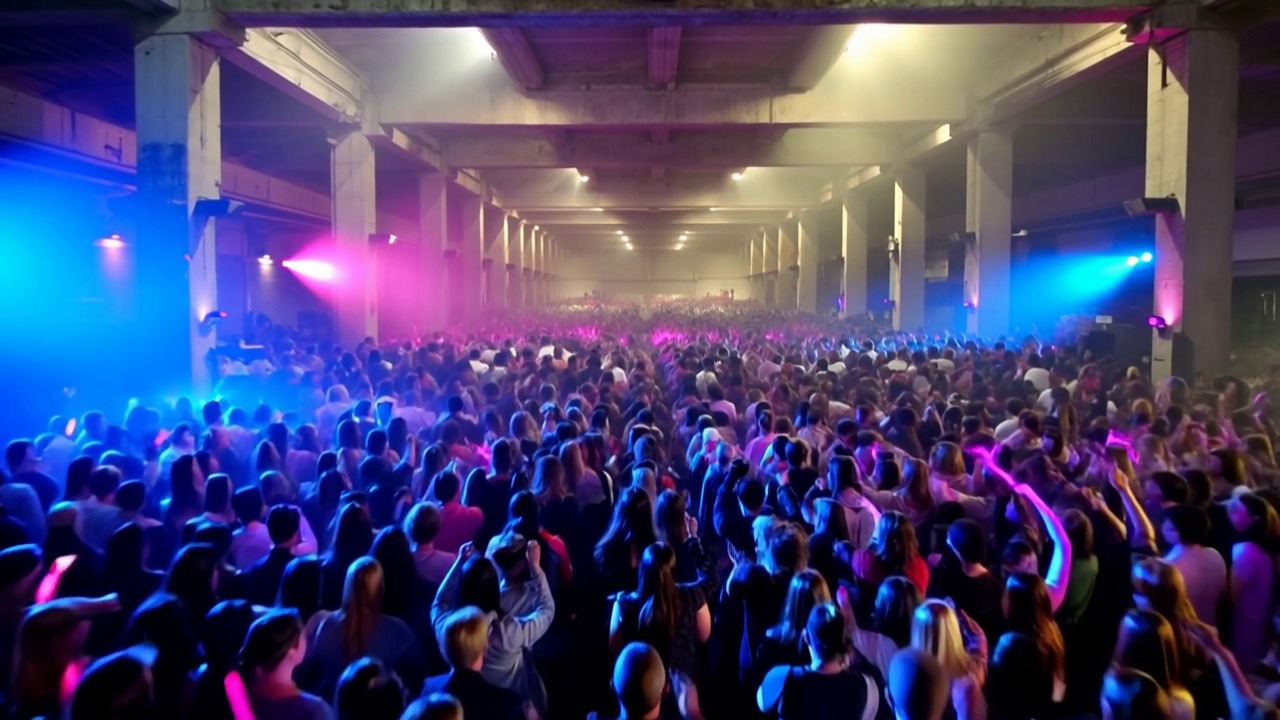
If you've been raving in San Diego long enough, you've heard the same tired line from out-of-towners: "Oh, SD is cool, but it's not LA." Cool story. Except in 2026, that's not a knock — it's the whole point. San Diego's underground dance music scene has spent the last two years quietly building something that doesn't exist anywhere else in the country: a genuinely cross-border rave culture that flows between SD and Tijuana like the border doesn't exist after midnight. And now people are starting to notice.
The LA Shadow Problem
For years, San Diego lived in LA's nightlife shadow. Promoters fought for scraps. Touring DJs would skip SD entirely, hitting LA and then jumping to Vegas or Phoenix. The 619 was a "maybe" stop, not a must-play. Local talent would cut their teeth here and immediately move north the second they got any buzz. It's a story every mid-size city knows — but San Diego's version came with a unique twist: a literal international border and a sister city with one of the most vibrant electronic music cultures in North America sitting twenty minutes away.
The irony is that San Diego's distance from LA was always framed as a weakness. In hindsight, it was the thing that forced the scene to look south instead of north — and find a partner that actually matched its energy.
Tijuana Changed the Equation
Tijuana's electronic music scene has been serious for over a decade. The city has produced globally respected producers, hosted legendary parties, and cultivated a sound that draws from Mexican, Latin American, and West Coast influences without copying any of them. What changed recently is the flow. DJs who play Tijuana on Friday are playing San Diego on Saturday. Ravers are crossing both directions. Promoters on both sides are collaborating instead of competing.
This isn't just about logistics — it's about cultural chemistry. Tijuana brings a rawness and a rhythmic vocabulary that San Diego's scene was missing. San Diego brings production infrastructure, outdoor venue options, and a community of ravers who will absolutely show up at 10 PM on a Tuesday. Together, the two cities are creating a micro-region that punches way above its weight. Resident Advisor has been tracking cross-border nightlife trends globally, and the SD-TJ corridor is the one getting the most grassroots momentum right now.
What's Actually Getting Played
Genre-wise, the SD-TJ corridor is getting weird in the best way. Tech house is still the backbone — this is Southern California, after all — but the edges are where it gets interesting. We're hearing more Latin house, tribal, and cumbia-adjacent beats bleeding into sets. Hard techno has a real foothold now, especially in the Tijuana rooms. And the ambient and downtempo wave that swept through the coastal scenes has found a home in SD's sunrise sets and beach-adjacent gatherings.
The point isn't that one genre is winning. It's that the cross-pollination is producing sets you genuinely can't hear anywhere else. A DJ who grew up in Tijuana playing a 2 AM set in a San Diego warehouse isn't just importing a sound — they're translating between two crowds who speak different dance-floor languages, and the results are electric. Check out the artists we're booking and you'll see exactly what we mean.
Why This Matters Now
Summer 2026 has been a proving ground. While the festival circuit churned out the same mega-lineups, the real energy was in the rooms that don't show up on Instagram explore pages — the warehouse off the freeway, the Tijuana rooftop, the pop-up where you find out the location two hours before doors. Those parties are where the SD-TJ connection is most alive.
There's also a policy angle worth watching. Cross-border events mean navigating two sets of venue regulations, noise ordinances, and permitting headaches. San Diego's venue landscape has been through its share of drama — noise complaints, sudden closures, the eternal tug-of-war between developers and nightlife. The more this scene grows, the more important it becomes to protect the spaces where it happens. Mixmag has documented similar battles in cities worldwide, and the lesson is always the same: scenes don't survive on vibes alone. They survive because people show up and fight for them.
Where We Go From Here
Here's the thing: San Diego doesn't need to be LA. It doesn't need to be Vegas. And it definitely doesn't need permission from anyone to be a world-class dance music city. The cross-border connection with Tijuana is the thing no other American city can replicate. That's not a gimmick — it's an unfair advantage.
If you're a raver in San Diego and you haven't crossed south for a party yet, fix that this fall. If you're coming from Tijuana, know that the welcome mat is out. And if you're from somewhere else entirely — maybe reconsider that "it's not LA" line.
We're building something different down here. Come find out.