Las Vegas Rave Culture Is Outgrowing the Strip
Vegas has always been a playground for EDM's biggest names, but a quieter rebellion is brewing off-Strip — and it's changing what dancing in the desert even means.
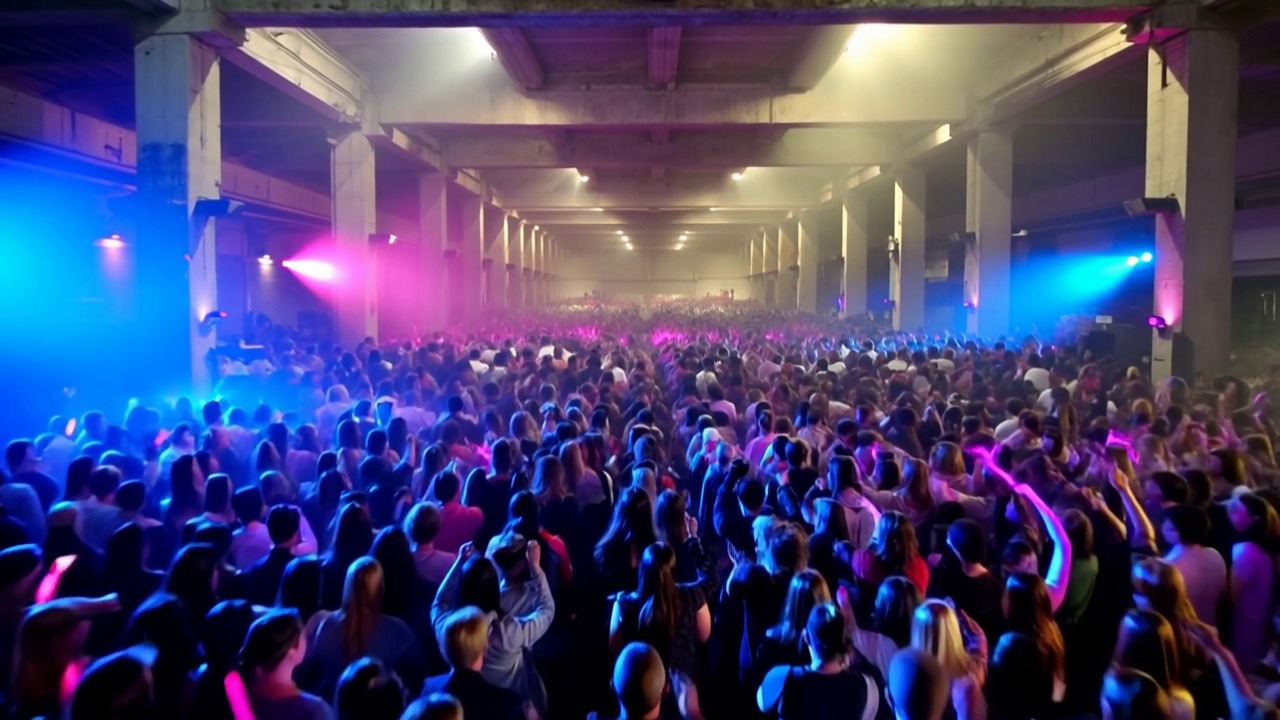
Let's get one thing straight: Las Vegas didn't invent the megaclub. But it sure as hell perfected it. For over a decade, the Strip has been the neon-drenched cathedral of bottle-service-and-BOH dance music, where DJ royalty commands six-figure fees for 90-minute sets and the crowd is 40% bachelorette parties in matching cowboy hats. Nobody's mad at it — it prints money, it puts dance music on prime-time billboards, and honestly, some of those productions are visually staggering. But if you've been paying attention in 2026, you already know the real story isn't happening at the valet drop-off.
The Off-Strip Underground Is Having Its Moment
For years, Vegas locals who actually care about dance music have quietly operated in the margins — warehouse pop-ups in the southwest, desert sound camps a half-hour past the edge of town, residencies at small bars that would rather book a solid local selector than import a chart-topping ghost. What's different now is the scale. What used to be a scattered, word-of-mouth scene is building genuine infrastructure: collectives coordinating calendars, sound system investments that rival what the big rooms are working with, and — critically — crowds that show up for the music, not the Instagram backdrop.
The shift isn't subtle anymore. We're seeing people drive past the Strip's blinking诱惑 on a Saturday night to stand in a gravel lot where someone's hung a blacklight tarp and a function-one rig is absolutely punishing. There's something deeply right about that.
Genre Diversification Is Outpacing the Bookers
Here's where it gets interesting from a culture standpoint. The Vegas megaclub model has always been genre-conservative — if it ain't mainstage festival house, dubstep drops, or vocal-driven club edits, good luck getting a real slot. But the audiences are evolving faster than the booking sheets. Hard techno, breaks, trance that isn't afraid to be trance, ghetto house, speed-garage-adjacent oddities — the appetite is there, and it's growing. We've watched our own coverage of regional scenes across SoCal and Baja confirm the same pattern: the music getting people genuinely excited in 2026 is rawer, faster, and stranger than what the algorithm thinks is supposed to work.
Vegas is catching up to something that cities like San Diego and Tijuana have been sitting on for years — the understanding that underground doesn't mean small. It means intentional.
The Policy Problem Nobody Talks About
Of course, there's a reason the off-Strip scene has historically been underground: Las Vegas venue policy is famously engineered around the resort district. Permit structures, noise ordinances, and entertainment licensing all tilt toward large-scale commercial operations. Independent organizers have long operated in a legal gray zone — technically compliant, practically precarious. According to the Las Vegas Review-Journal's ongoing coverage of city nightlife policy, there's been real movement in how Clark County approaches small-venue entertainment licensing, but it's slow, uneven, and still favors operators who can afford the compliance overhead.
Translation: the culture is ready. The infrastructure is catching up. The red tape is doing what red tape does.
Why This Matters Beyond Nevada
If you're reading this from LA, San Diego, or TJ, you might be wondering why you should care about what's happening in Vegas. Here's why: Las Vegas is the American dance music industry's most visible showroom. When the underground there gains enough gravity to pull booking attention, set design budgets, and audience share away from the megaclub monoculture, it sends a signal to every promoter, agent, and festival booker in the country. It proves — again — that there's a massive, underserved audience for dance music that respects the art form and the people who make it.
That's not just a Vegas story. That's the story. And if you want to know where you fit in it, take our five-minute rave personality quiz — it'll tell you exactly which corner of the culture is calling your name right now.
The Desert Doesn't Lie
There's a particular kind of honesty to dancing in the desert at 3 AM with no LED wall, no confetti cannon, and no VIP tier hierarchy. Just a soundsystem, a crowd that came for the right reasons, and a sunrise that doesn't care about your follower count. Vegas built its name on excess and spectacle, and that's not going anywhere — the Strip will keep doing what the Strip does. But the city is quietly becoming something more than that, and the people building it from the ground up deserve the recognition.
RRU's been watching this unfold across the Southwest for a minute now. If you're in Vegas, or you're planning to be, join the RRU crew and stay locked on what's actually moving. We're not interested in the spectacle. We're interested in where the real dancing happens.
Keep Your Ear to the Ground
The best parties in Vegas right now aren't being advertised on the side of a taxi. They're being whispered about in group chats, posted on last-minute flyers, and built by people who'd rather pack a sound system into a pickup truck than negotiate a contract with a hospitality group. That's not a trend — that's a movement. And it's only getting louder.
See you in the gravel lot.